Ethics and Boundaries in Clinical Practice

A Contemporary Framework for LMHC, LMFT, and LCSW Practitioners
This course fulfills the Ethics and Boundaries continuing education requirement for Florida-licensed Mental Health Counselors, Marriage and Family Therapists, and Clinical Social Workers, covering core ethical principles, boundary dilemmas, the complaint process, and the ethical challenges introduced by telehealth, social media and emerging technology.
3
CE hours
Self Paced
Home study
12
Question post-test
80%
To pass

Your certificate

Issued automatically the moment you pass, carrying the course title, your name, the completion date and the CE hours awarded. Available to download at any time from your account.

Who this course is for

Florida-licensed LMHCs, LMFTs and LCSWs under Florida Statute 491, renewing licensure or seeking initial ethics training.

$45.00
USD
  • Immediate access on purchase
  • No expiry on your access
  • Unlimited post-test retakes
  • Certificate issued the moment you pass
  • Downloadable any time from your account
3 CE hours toward your 30-hour Florida biennium.

What you will be able to do

01

Identify the core ethical principles underlying clinical practice, autonomy, beneficence, nonmaleficence, justice and fidelity, and apply them to real-world scenarios.

02

Distinguish between boundary crossings and boundary violations, and articulate the clinical and legal risk differences between them.

03

Apply a stepwise ethical decision-making model to a novel clinical dilemma.

04

Identify ethical risks specific to telehealth delivery, including informed consent, jurisdiction, privacy and emergency protocols.

05

Evaluate the risks of dual relationships and self-disclosure, including social media contact with current or former clients.

06

Describe the role of Florida Statute 491 and Florida Administrative Code 64B4 in governing professional conduct for LMHC, LMFT and LCSW licensees.

Course Details

Target Audience
Florida-licensed LMHCs, LMFTs, and LCSWs (F.S. 491) renewing licensure or seeking initial ethics training as part of their professional development.
Format
Self-paced home study. Participants read all module content, review case vignettes, and complete a 12-question post-test with explanations. A minimum score of 80% (10/12) is required to pass and receive a certificate of completion.
Estimated completion time
3 hours (approx. 45 minutes for Module 1, 60 minutes for Module 2, 45 minutes for Module 3, remaining time for case reflection and the post-test).

What is inside the course

Course Content

Section One
Ethics and Boundaries Post-Test

Learning Objectives

01

Identify the core ethical principles underlying clinical practice (autonomy, beneficence, nonmaleficence, justice, fidelity) and apply them to real-world scenarios.

02

Describe the relationship between professional membership organization ethics codes (ACA, AAMFT, NASW) and Florida’s statutory and administrative ethical framework.

03

Distinguish between boundary crossings and boundary violations, and articulate the clinical and legal risk differences between them.

04

Apply a stepwise ethical decision-making model to a novel clinical dilemma.

05

Describe the ethics complaint and investigation process and its practical implications for clinical practice.

06

Identify ethical risks specific to telehealth delivery, artificial intelligence, and other emerging technology, including informed consent, jurisdiction, privacy, and emergency protocols.

07

Evaluate the risks of dual relationships and self-disclosure, including social media contact with current or former clients.

08

Describe the role of Florida Statute 491 and Florida Administrative Code 64B4 in governing professional conduct for LMHC/LMFT/LCSW licensees.
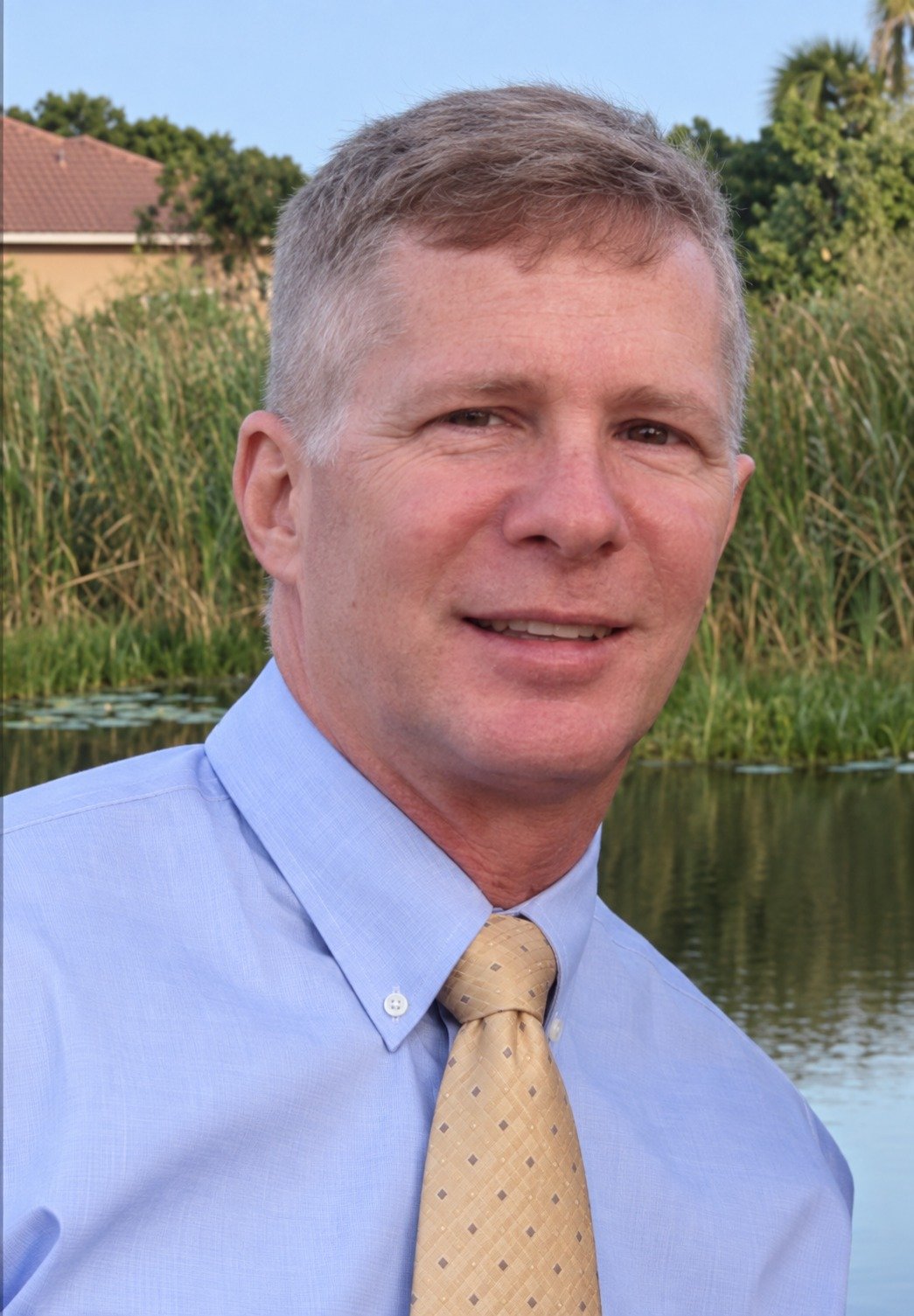
Dr. Joshua E. Shannon

holds a Master’s degree in Counseling and a PhD in Psychology, and is licensed in Florida under Florida Statute 491, as well as in New Mexico, Missouri, and Iowa. Dr. Shannon has over 20 years of clinical practice experience, including private practice in a small-community setting, a context directly relevant to this course’s treatment of dual relationships and boundary management in Module 2. Dr. Shannon also brings clinical supervisor experience, having overseen the ethical and clinical development of supervisees, which included direct application of the ethical decision-making frameworks, supervisory boundary standards, and complaint-process considerations presented throughout this course.
Ph.D CCMHC MCAP SAP ICADC CEAP CDMS CRC LMHC/S ASAM NAADAC CCISM CTP

evaluation form

Related courses

No courses match those filters.

Start the hours you need

Self-paced courses written to the requirements of Florida license renewal.